
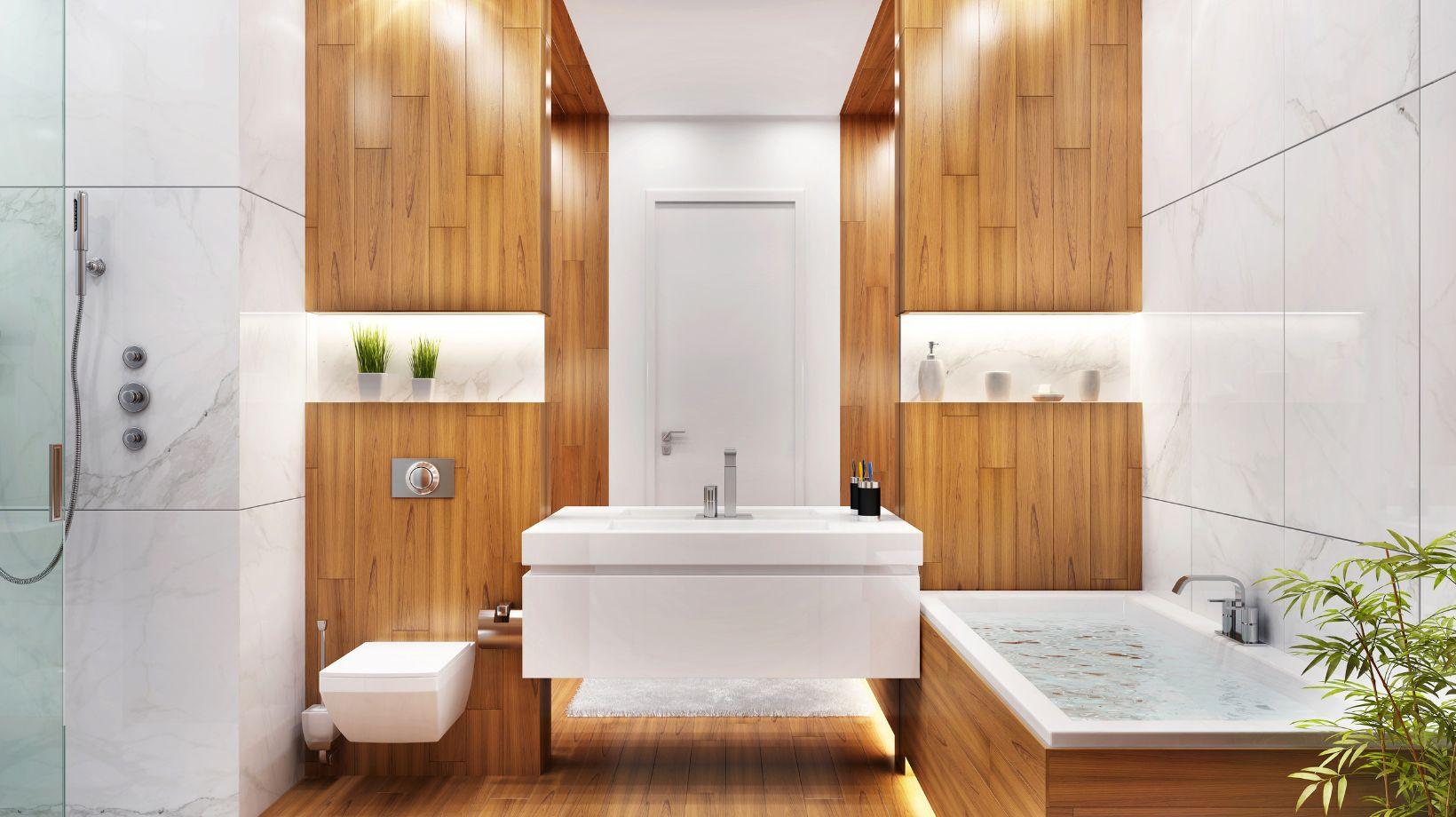
Bathroom renovations can quickly become overwhelming once you start listing everything that could be improved. Rather than tackling everything at once, it helps to prioritize upgrades based on what will make the biggest difference to daily comfort and long-term value.
Start With Fixtures You Use Every Day
The elements you interact with most often — the shower, the sink, and the toilet — tend to offer the best return on any upgrade, simply because you notice the improvement constantly. A bidet toilet is a popular starting point for exactly this reason, since it upgrades a daily routine rather than something used only occasionally.
Improve Lighting Before Anything Cosmetic
Poor lighting can make even a beautifully tiled bathroom feel dull and uninviting. Before investing in cosmetic changes like paint or décor, consider whether the existing lighting setup actually does the space justice, particularly around mirrors where good lighting matters most for everyday tasks.
Address Ventilation Issues Early
A bathroom with poor ventilation is prone to mold, lingering odors, and general discomfort, regardless of how nice the fixtures look. Fixing ventilation problems early in a renovation prevents these issues from undermining everything else you invest in afterward.
Think About Storage Before Aesthetics
Cluttered counters and overflowing cabinets undermine even a well-designed bathroom. Prioritizing smart storage solutions, whether built-in or added during a renovation, keeps the space feeling organized long after the initial excitement of a refresh has settled.
Save Larger Structural Changes for Later
Moving plumbing lines or reconfiguring the entire layout is expensive and disruptive, so it's often best treated as a later-stage upgrade once smaller, high-impact changes have already been made. This staged approach lets you spread out costs while still seeing meaningful improvement early on.
A Thoughtful Order Makes the Process Easier
Modernizing a bathroom doesn't have to happen all at once. Prioritizing the changes that affect daily life most directly, before moving on to bigger structural or cosmetic projects, keeps the process manageable and ensures your budget goes toward what actually matters most.
Setting a Realistic Timeline
Trying to complete every upgrade at once often leads to rushed decisions and a bathroom that's out of commission for far longer than necessary. Spacing changes out over a few months, tackling the highest-impact items first, allows for more thoughtful choices and less disruption to daily routines along the way.
Getting Professional Input Where It Counts
While plenty of bathroom upgrades are approachable for a confident DIYer, some — particularly anything involving plumbing or electrical work — genuinely benefit from professional input. Knowing which upgrades you can tackle yourself and which are worth hiring out helps you avoid costly mistakes while still keeping the overall project within budget.
Setting a Budget That Accounts for Surprises
Bathroom projects, even smaller ones, have a way of revealing unexpected issues once work begins — outdated plumbing, hidden water damage, or wiring that doesn't meet current standards. Building a contingency into your budget from the start prevents these discoveries from derailing the entire project or forcing compromises on the upgrades that mattered most to you.
Keeping the End Goal in Mind
It's easy to get caught up in individual upgrades and lose sight of the bigger picture. Periodically stepping back to consider how each change contributes to the bathroom you actually want, rather than just checking items off a list, keeps the overall project cohesive rather than a collection of disconnected improvements.
Involving the Whole Household in Decisions
If more than one person uses the bathroom regularly, it's worth discussing priorities as a household before finalizing any renovation plan. What feels essential to one person might feel unnecessary to another, and reaching agreement early avoids friction partway through the project when changes become harder to make.
Documenting the Process for Future Reference
Keeping a simple record of what was changed, when, and by whom — particularly for anything involving plumbing or electrical work — proves genuinely useful for future maintenance or if you ever decide to sell the home. Buyers and future contractors alike appreciate a clear history rather than having to guess at what's behind the walls.
Letting the Process Build Momentum
Completing even one meaningful upgrade often creates enough visible improvement to motivate tackling the next item on the list, turning what might have felt like an overwhelming project into a series of manageable, satisfying steps that add up over time.
A Refresh That Grows With You
Modernizing a bathroom this way means the space keeps evolving alongside your needs and budget, rather than being frozen at whatever state it was in the day a single big renovation wrapped up years earlier.
Enjoying the Results Along the Way
Rather than waiting until every planned upgrade is complete before appreciating the improvements, it's worth pausing to enjoy each change as it happens. This keeps the process feeling rewarding rather than like an endless list of tasks still left to finish.