
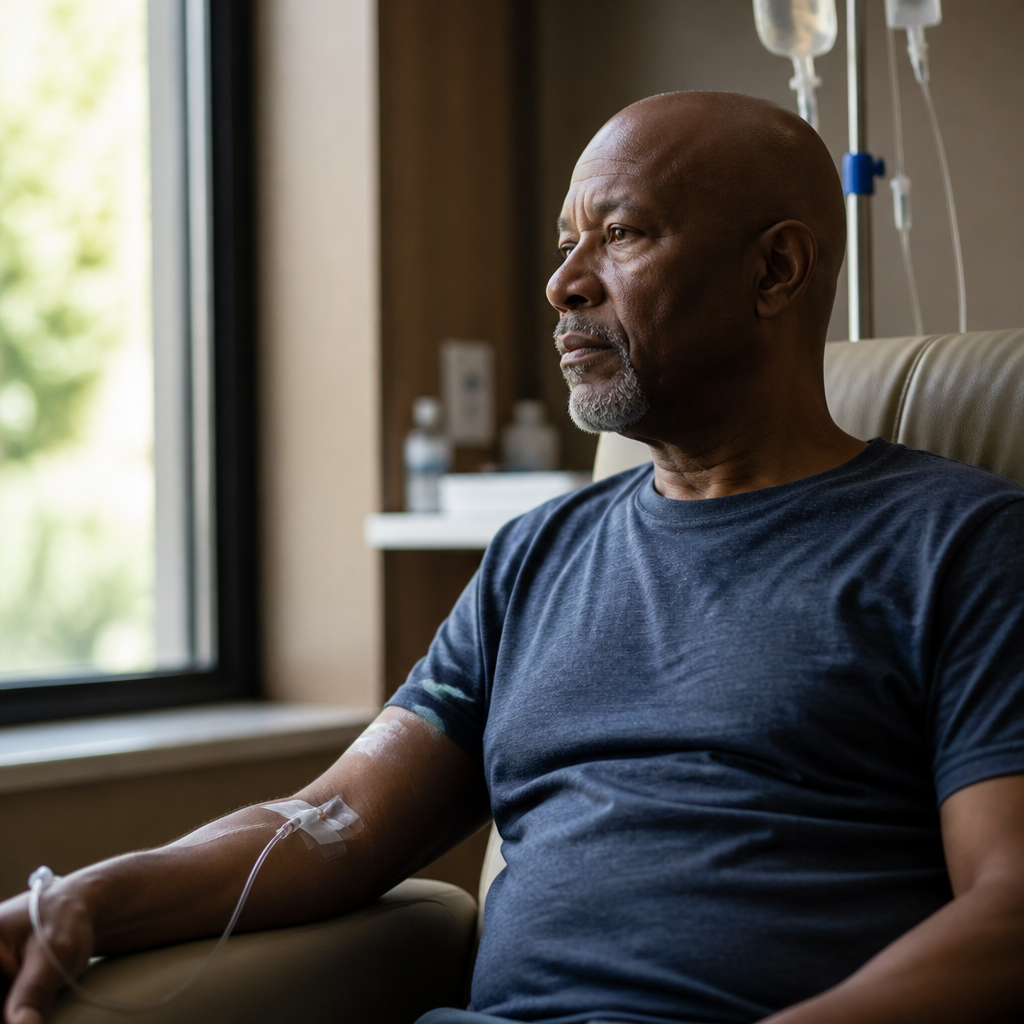
Cancer survivors face a complex web of health challenges that extend well beyond their initial diagnosis. While treatments like chemotherapy, radiation, and targeted therapies have dramatically improved survival rates, they can also create unexpected cardiovascular complications. Among the most serious is an elevated risk of stroke, a connection that many patients and even some healthcare providers overlook until symptoms appear.
Understanding this relationship matters for anyone undergoing cancer treatment, particularly breast cancer patients who may receive therapies that affect the heart and blood vessels. The effects can emerge during treatment or years afterward, making awareness and preventive care essential components of recovery.
Why Cancer Treatments Increase Stroke Risk
Certain chemotherapy drugs, particularly those used in breast cancer treatment, can damage the lining of blood vessels or promote blood clot formation. Anthracyclines like doxorubicin, while effective against cancer cells, may weaken the heart muscle and reduce its pumping efficiency. When the heart cannot circulate blood properly, clots become more likely to form and travel to the brain.
Radiation therapy to the chest area presents another concern. Breast cancer treatment can take a toll on heart health, with radiation potentially scarring the arteries that supply blood to the heart and brain. These changes may not manifest immediately but can accumulate over time, increasing stroke risk five, ten, or even twenty years after treatment ends.
Hormone therapies used to prevent breast cancer recurrence also play a role. Tamoxifen and aromatase inhibitors can affect cholesterol levels and blood clotting factors, creating a more favorable environment for cardiovascular events. The risk varies by drug type, dosage, and individual patient factors like age and pre-existing conditions.
Recognizing the Warning Signs
Cancer survivors should know how to identify stroke symptoms quickly. Sudden numbness or weakness on one side of the body, confusion, trouble speaking or understanding speech, vision problems in one or both eyes, difficulty walking, dizziness, or severe headache all warrant immediate medical attention. The acronym FAST helps: Face drooping, Arm weakness, Speech difficulty, Time to call emergency services.
Transient ischemic attacks, sometimes called mini-strokes, deserve equal urgency. These temporary blockages cause stroke-like symptoms that resolve within minutes or hours, but they signal serious underlying problems. About one in three people who experience a TIA will eventually have a full stroke, often within a year.
Building a Prevention Strategy During Cancer Care
Prevention begins with open communication between oncologists and cardiologists. Patients undergoing chemotherapy or radiation should have baseline cardiovascular assessments before treatment starts, including blood pressure monitoring, cholesterol screening, and sometimes echocardiograms to measure heart function. These benchmarks help detect changes early.
Blood pressure control becomes particularly important during and after cancer treatment. Hypertension damages blood vessels and forces the heart to work harder, compounding risks already elevated by therapy. Many patients need medication adjustments as treatment progresses, since some cancer drugs interact with blood pressure medications or change how the body responds to them.
Physical activity, when approved by the medical team, strengthens the cardiovascular system and helps manage weight, blood sugar, and cholesterol. Even modest movement matters. A daily 20-minute walk can improve circulation and reduce inflammation throughout the body. Physical therapy programs can help patients regain strength safely after surgery or during treatment, with exercises tailored to individual tolerance levels and recovery needs.
When to Seek Specialized Neurological Care
Cancer survivors who develop neurological symptoms or have multiple stroke risk factors benefit from specialized evaluation. Medical centers with integrated neurovascular programs can assess stroke risk comprehensively and coordinate care across specialties. In Abu Dhabi, patients receiving breast cancer care at Cleveland Clinic Abu Dhabi can access their neurovascular team if concerns arise, ensuring seamless coordination between oncology and neurology services. A stroke specialist can perform detailed imaging studies to evaluate blood vessel health, assess clotting tendencies, and recommend preventive measures tailored to the specific cancer treatments received.
Advanced imaging techniques like MRI angiography and CT angiography reveal narrowed or damaged blood vessels before they cause symptoms. For patients with significant stenosis or other abnormalities, interventions ranging from medication to minimally invasive procedures can reduce stroke risk substantially.
Long-Term Monitoring After Treatment Ends
Stroke risk does not disappear when cancer treatment concludes. Survivors need ongoing cardiovascular monitoring as part of their follow-up care, particularly those who received cardiotoxic chemotherapy or chest radiation. Annual check-ups should include blood pressure measurement, lipid panels, diabetes screening, and discussions about any new symptoms.
Lifestyle modifications remain crucial indefinitely. Smoking cessation, if applicable, ranks among the most powerful stroke prevention measures available. Smoking damages blood vessels directly and multiplies the effects of other risk factors. A Mediterranean-style diet rich in vegetables, fruits, whole grains, fish, and olive oil supports vascular health while helping maintain a healthy weight.
Stress management also plays a role, since chronic stress elevates cortisol and inflammation, both of which affect cardiovascular health. Cancer survivors often carry significant psychological burdens that persist beyond physical recovery. Counseling, support groups, meditation, or other stress-reduction techniques can benefit both mental health and stroke prevention.
Taking Control of Your Health Future
The connection between cancer treatment and stroke risk underscores the importance of comprehensive survivorship care. Patients should advocate for integrated follow-up that addresses cardiovascular health alongside cancer surveillance. Keeping detailed records of all treatments received, including specific drug names and radiation doses, helps future healthcare providers assess risk accurately and make informed recommendations.
Cancer survival continues to improve, with millions of people living full lives after diagnosis and treatment. Protecting cardiovascular health ensures that hard-won survival translates into quality years. By staying informed about stroke risk, recognizing warning signs, and working with medical teams to implement prevention strategies, cancer survivors can reduce their vulnerability and focus on the future with greater confidence.