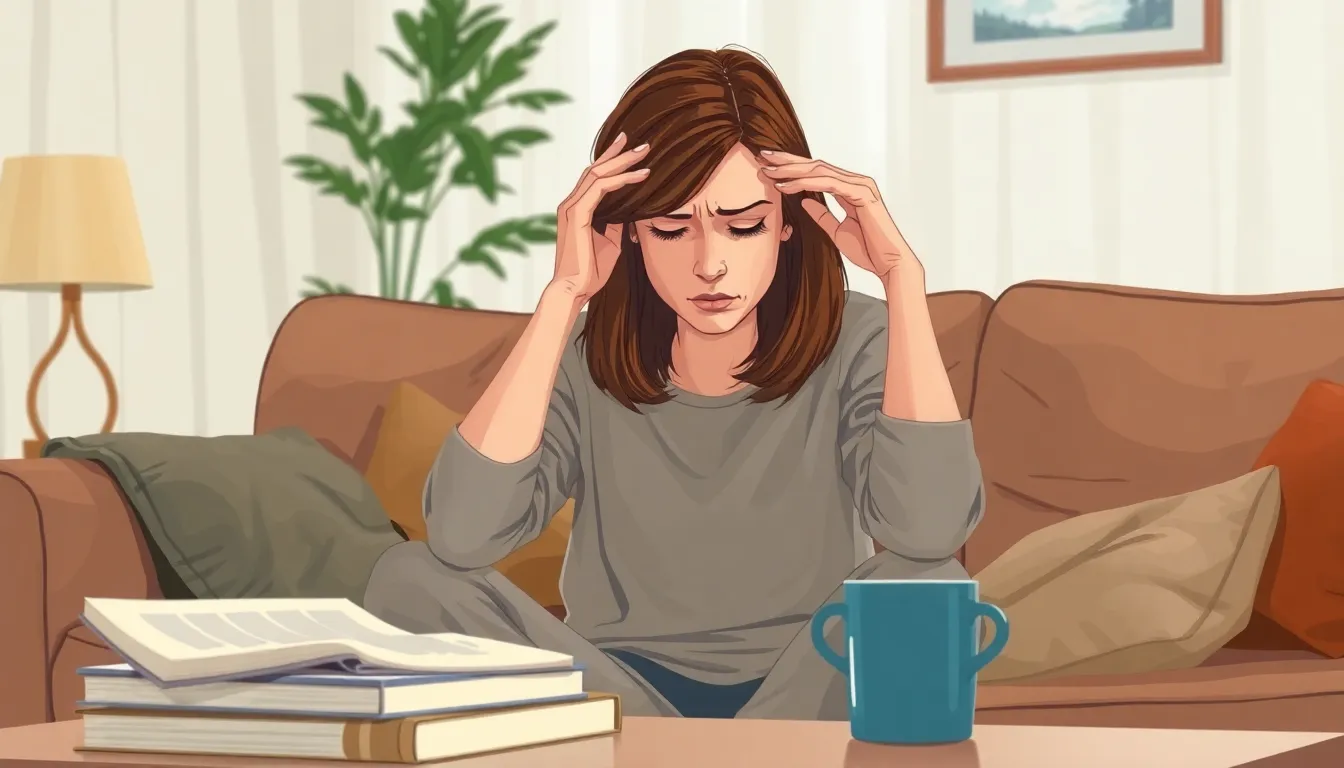
In a world that constantly demands more from everyone, it’s no wonder self-care often takes a backseat. Juggling work, family, and a social life can leave anyone feeling like they’re running on empty. Yet, neglecting self-care isn’t just a minor oversight; it’s a full-blown deficit that can lead to burnout faster than you can say “bubble bath.”
Imagine trying to drive a car on fumes—eventually, it’s going to sputter and stop. The same goes for personal well-being. A self-care deficit can zap energy, creativity, and even joy from life. So, why not take a moment to hit the brakes and refuel? Understanding the impact of self-care is the first step toward reclaiming that zest for life. It’s time to prioritize self-care and transform that deficit into a surplus of well-being.
Self Care Deficit
Self-care deficit arises when individuals neglect their own wellness due to life’s demands. Recognizing this deficit is essential for improving overall well-being.
Definition of Self Care Deficit
Self-care deficit refers to the lack of attention given to one’s physical, emotional, and mental health. Individuals often prioritize responsibilities over their own needs. This neglect can result from busy schedules or societal expectations. A sustained lack of self-care can erode both resilience and energy levels. Recognizing self-care deficit serves as a first step towards recovery.
Signs and Symptoms
Signs of self-care deficit often manifest as chronic fatigue or persistent feelings of stress. Individuals may experience irritability and decreased motivation in daily tasks. Another indicator includes a decline in physical health, such as frequent illnesses or unexplained aches. Additionally, emotional symptoms can surface, including feelings of loneliness or overwhelm. Acknowledging these symptoms is critical for initiating positive change and reclaiming personal wellness.
Causes of Self Care Deficit
Self-care deficit stems from multiple factors that can impede personal wellness. Understanding these causes provides insight into why individuals may neglect their own needs.
Physical Factors
Physical fatigue plays a critical role in self-care deficit. Chronic illnesses can drain energy levels. Insufficient sleep contributes to a lack of focus and motivation. Poor nutrition leads to decreased physical health and energy. Busy schedules often prevent regular exercise, causing further health decline. Each of these elements can create a cycle that is hard to break, making self-care feel like an impossible task.
Psychological Factors
Psychological stress significantly influences self-care deficit. Anxiety and depression often overshadow personal needs. Perfectionism pushes individuals to prioritize work or social obligations over self-care. Fear of judgment may hinder them from seeking help or taking breaks. Societal pressures can create unrealistic expectations, causing individuals to neglect their emotional well-being. Recognizing these psychological barriers is essential for healing and restoring balance.
Impact of Self Care Deficit
Self-care deficit significantly affects both mental and physical well-being, influencing various aspects of life.
Effects on Mental Health
Mental health suffers prominently from a self-care deficit. Chronic fatigue leads to heightened anxiety and stress levels. Individuals may experience irritability and mood swings, reducing overall life satisfaction. Decreased motivation often results in withdrawal from social interactions and hobbies, further compounding feelings of isolation. Research indicates that neglecting self-care can also contribute to the onset of depression or exacerbate existing mental health conditions. Addressing these challenges becomes essential for maintaining a positive mindset and emotional resilience.
Effects on Physical Health
Physical health also declines due to a self-care deficit. Insufficient sleep directly influences energy levels and immune function. Poor nutrition can lead to weight gain and various chronic illnesses, including cardiovascular disease and diabetes. Regular exercise often becomes neglected, increasing risks associated with sedentary lifestyles. Reports suggest that individuals who prioritize self-care experience fewer health issues and enjoy longer, healthier lives. Balancing physical needs is crucial for overall wellness and vitality.
Strategies to Address Self Care Deficit
Addressing self-care deficit involves implementing practical strategies and seeking support when necessary.
Practical Self Care Tips
Establishing a routine makes self-care manageable. Incorporating small activities into daily life—like taking short walks, enjoying a cup of herbal tea, or practicing deep-breathing exercises—can rejuvenate the mind and body. Setting aside specific time for hobbies fosters creativity and joy. Prioritizing sleep enhances physical and mental recovery, with adults needing 7 to 9 hours per night for optimal function. Nutrition plays a crucial role as well; balanced meals packed with fruits, vegetables, and whole grains can boost energy levels. Regularly disconnecting from digital devices promotes mental clarity and reduces stress.
Seeking Professional Help
Recognizing when self-care efforts fall short is vital. Consult a mental health professional if persistent feelings of anxiety or depression arise. Therapy can provide valuable insights and coping strategies tailored to individual needs. Support groups offer community and connection, making struggles feel less isolating. Healthcare professionals can also address physical health issues linked to neglecting self-care. Looking into coaching or counseling engages individuals who may feel overwhelmed and need guidance. Prioritizing professional support enhances overall well-being and empowers individuals to regain control over their lives.
Conclusion
Addressing self-care deficit is essential for reclaiming well-being. Individuals must recognize the signs and prioritize their physical, emotional, and mental health. By implementing simple strategies and seeking support, they can break the cycle of neglect and foster a healthier lifestyle.
Investing time in self-care not only enhances personal vitality but also improves overall life satisfaction. Acknowledging the importance of self-care creates a pathway to recovery and balance. With commitment and awareness, individuals can transform their lives and thrive amidst the demands of everyday life.