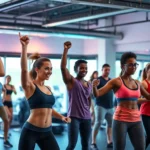

Active teens need clothing that can keep up with their energy. From sports practices to after-school activities, their clothing has to support comfort, performance, and style. One of the most important aspects of activewear is the fabric, particularly how breathable it is. Breathable fabrics help regulate body temperature, reduce discomfort, and improve overall activity experience. Understanding why breathable fabrics matter can help parents and teens make better clothing choices.
Understanding Breathable Fabrics
Breathable fabrics allow air to flow through the material, helping moisture escape from the skin. This ventilation is essential during physical activity, especially for teens, who can sweat more due to growth and hormonal changes. Fabrics such as cotton blends, moisture-wicking polyester, and bamboo are common in teen activewear because they allow the body to cool naturally while staying dry.
Moisture-wicking fabrics, in particular, are designed to pull sweat away from the skin to the outer layer of the fabric, where it can evaporate more quickly. This prevents the uncomfortable feeling of wet clothes sticking to the body and reduces the risk of chafing, which is common during running, cycling, or other repetitive movements.
Comfort and Skin Health
Breathable fabrics do more than just manage sweat—they also support healthy skin. Teens are more prone to skin irritation because their bodies are still developing and their skin may be more sensitive. Non-breathable fabrics can trap heat and moisture, creating an environment where bacteria thrive, which can lead to rashes or acne flare-ups.
Activewear made from breathable fabrics helps reduce these risks by keeping the skin dry and well-ventilated. Fabrics with natural fibers, such as cotton or bamboo, are gentle on the skin while allowing airflow. Blended fabrics often combine comfort with stretch and durability, making them ideal for teens who need activewear that moves with them. Brands like Bleuet offer teen-friendly activewear that combines breathable fabrics with thoughtful designs for both comfort and confidence.
Performance Enhancement
Wearing breathable fabrics can directly improve a teen’s performance in sports and activities. When the body stays cool and dry, it requires less energy to regulate temperature, allowing teens to focus more on their activity. Breathable activewear can also reduce fatigue by preventing overheating, especially during intense exercise or outdoor activities in warm weather.
Moreover, the right fabric can help teens recover faster. Clothes that manage moisture well prevent the skin from staying damp after exercise, which can otherwise contribute to discomfort or muscle stiffness. Breathable fabrics are particularly important for teens participating in high-intensity sports like soccer, basketball, or track and field, where staying comfortable can impact both performance and endurance.
Style Meets Function
Breathable fabrics don’t have to compromise style. Many teen activewear brands design clothing that combines functionality with trendy colors, patterns, and fits. Stretchable, breathable fabrics allow for versatile designs, including fitted tops, leggings, and shorts, that can move with the body without restriction. Teens often value clothing that looks good as much as it feels good, and breathable fabrics provide both.
Parents can encourage teens to choose activewear that fits well and allows for airflow, rather than relying solely on oversized or loose clothing. Proper fit ensures the fabric works as intended, supporting comfort and performance without bunching or sliding during movement.
Sustainability Considerations
Another aspect to consider is the sustainability of breathable fabrics. Many brands are now offering eco-friendly options, such as recycled polyester or organically grown cotton, which provide breathability while reducing environmental impact. Choosing sustainable activewear teaches teens the importance of caring for the planet while staying active.
Eco-conscious fabrics often have the added benefit of being soft and gentle on sensitive skin, making them a practical and ethical choice for teen activewear. Parents can involve teens in selecting sustainable options, turning it into a learning opportunity about responsible consumer habits.

Conclusion
Breathable fabrics play a critical role in teen activewear, combining comfort, performance, and style. From moisture management to skin health and overall activity enjoyment, the choice of fabric can significantly affect how teens feel and perform during their activities. By selecting breathable, well-fitting, and sustainable fabrics, parents and teens can ensure that activewear supports both physical performance and overall wellbeing.
Ultimately, breathable fabrics aren’t just a luxury—they’re a necessity for active teens who need clothing that keeps up with their energy, growth, and lifestyle. Investing in breathable activewear helps teens move freely, stay comfortable, and enjoy their favorite activities without distraction.